
How to Evaluate a Stamp Collection Received as an Inheritance
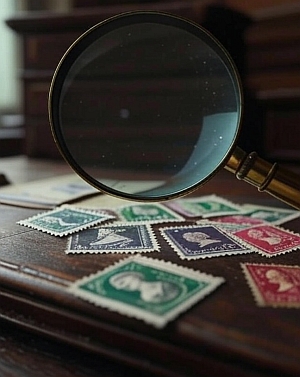 Inheriting a stamp collection can
be an exciting yet daunting experience, especially if you’re unfamiliar
with philately—the study and collection of stamps. Evaluating a stamp
collection requires a systematic approach to determine its historical,
sentimental, and monetary value. By following a few key steps, you can
assess the collection’s worth, preserve its condition, and decide how
to proceed, whether you choose to keep, sell, or donate it. This essay
outlines a practical guide to evaluating an inherited stamp collection,
covering organization, condition assessment, rarity and value research,
and seeking professional expertise.
Inheriting a stamp collection can
be an exciting yet daunting experience, especially if you’re unfamiliar
with philately—the study and collection of stamps. Evaluating a stamp
collection requires a systematic approach to determine its historical,
sentimental, and monetary value. By following a few key steps, you can
assess the collection’s worth, preserve its condition, and decide how
to proceed, whether you choose to keep, sell, or donate it. This essay
outlines a practical guide to evaluating an inherited stamp collection,
covering organization, condition assessment, rarity and value research,
and seeking professional expertise.The first step in evaluating a stamp collection is to organize and inventory it carefully. Begin by handling the stamps with care to avoid damage, using tweezers or stamp tongs and working in a clean, dry environment. Many inherited collections may be stored in albums, envelopes, or boxes, so start by sorting the stamps into categories, such as country, time period, or theme (e.g., animals, historical figures). If the collection is already organized in albums, preserve the existing order, as it may reflect the collector’s intent. Create a detailed inventory, noting the number of stamps, their visible characteristics (e.g., country of origin, year, design), and their storage method. This process helps you understand the scope of the collection and identify any standout pieces that may require further attention.
Next, assess the condition of the stamps, as this significantly impacts their value. Examine each stamp for physical quality, checking for tears, creases, stains, or fading. Key factors include the stamp’s centering (how evenly the design is placed within its borders), the condition of the perforations, and whether it has been canceled (marked as used). Mint (unused) stamps with original gum on the back are generally more valuable than used ones, but rare cancellations can also add value. Be cautious not to damage the stamps during inspection—avoid touching them with bare hands, as oils can degrade paper over time. If the collection includes covers (envelopes with stamps affixed), note their condition and any historical postmarks, as these can enhance value.
Researching the rarity and market value of the stamps is a critical step. Start by identifying notable stamps in the collection, such as those from obscure countries, limited editions, or historical periods. Use a stamp catalog, such as the Scott Standard Postage Stamp Catalogue or Stanley Gibbons, available in print or online, to look up specific stamps by country, year, and design. These catalogs provide estimated values based on condition and rarity. Additionally, check online marketplaces like eBay or auction sites like Sotheby’s to see recent sale prices for similar stamps, keeping in mind that market trends fluctuate. Posts on X can also provide real-time insights into what collectors are currently seeking, though these should be cross-referenced with reliable sources. For older collections, look for errors, such as misprints or inverted designs, which can significantly increase value.
For a more accurate valuation, consider consulting a professional philatelist or appraiser, especially if the collection appears extensive or contains rare items. Organizations like the American Philatelic Society (APS) can connect you with certified appraisers who specialize in stamps. An appraiser will evaluate factors like rarity, condition, and market demand, providing a formal valuation that can be useful for insurance, sale, or estate purposes. Be prepared to pay for this service, but it’s often worthwhile for large or potentially valuable collections. Alternatively, local stamp clubs or dealers can offer informal advice, though their assessments may be less comprehensive.
Finally, reflect on the collection’s sentimental and historical significance. An inherited collection may hold personal value, reflecting the original collector’s passion or family history. If you choose to keep it, store the stamps properly in acid-free albums or sleeves to preserve their condition. If selling, decide whether to sell individual stamps, sets, or the entire collection, as breaking it up may maximize profit but requires more effort. Donating to a museum or philatelic society is another option if the collection has cultural or historical importance.
In conclusion, evaluating an inherited stamp collection involves careful organization, condition assessment, research into rarity and value, and, if needed, professional appraisal. By approaching the process methodically, you can uncover the collection’s worth—both monetary and sentimental—and make informed decisions about its future. Whether you choose to continue the collecting tradition or pass it on, treating the collection with care and respect honors the legacy of the original collector.