
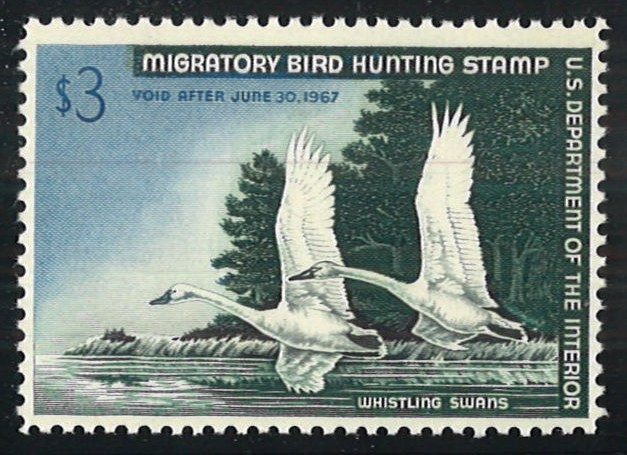

How to Best Preserve a Stamp Collection
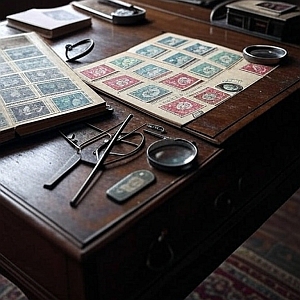 Stamp collecting, or philately, is
a rewarding hobby that connects enthusiasts to history, art, and
culture through small, delicate pieces of paper. However, stamps are
highly susceptible to damage from environmental factors, improper
handling, and poor storage. Preserving a stamp collection ensures its
longevity, maintains its value, and honors the effort invested by the
collector. This essay outlines the best practices for preserving a
stamp collection, focusing on proper handling, optimal storage
conditions, appropriate materials, and regular maintenance.
Stamp collecting, or philately, is
a rewarding hobby that connects enthusiasts to history, art, and
culture through small, delicate pieces of paper. However, stamps are
highly susceptible to damage from environmental factors, improper
handling, and poor storage. Preserving a stamp collection ensures its
longevity, maintains its value, and honors the effort invested by the
collector. This essay outlines the best practices for preserving a
stamp collection, focusing on proper handling, optimal storage
conditions, appropriate materials, and regular maintenance.The first step in preserving stamps is mastering proper handling techniques to prevent physical damage. Always use stamp tongs or tweezers with flat, smooth tips to handle stamps, as fingers can leave oils, dirt, or moisture that degrade paper over time. Work on a clean, dry, and stable surface, ideally in a well-lit area to avoid misplacing or damaging stamps. When examining stamps, avoid breathing directly on them, as tiny droplets of moisture can cause spotting or mold growth. For stamps affixed to envelopes (known as covers), handle them by the edges or use protective sleeves to avoid creasing or tearing. By treating stamps with care during every interaction, you minimize the risk of immediate or cumulative damage.
Maintaining optimal environmental conditions is critical for long-term preservation. Stamps are made of paper, adhesive, and ink, all of which are sensitive to temperature, humidity, and light. Store collections in a cool, dry environment, ideally at a temperature between 60–70°F (15–21°C) and a relative humidity of 40–55%. High humidity can encourage mold growth or cause stamps to stick together, while low humidity may make paper brittle. Avoid storing stamps in basements, attics, or areas prone to temperature fluctuations. Exposure to direct sunlight or fluorescent light can fade colors, so keep collections in a dark place when not in use, such as a closed album or box. If displaying stamps, use UV-protective frames and limit exposure time. A stable, controlled environment is essential to prevent deterioration.
Using the right storage materials is equally important for protecting stamps. Choose archival-quality supplies designed specifically for philately, as standard office products may contain acids or chemicals that harm stamps over time. Store stamps in acid-free albums or stock books with clear, inert mounts or hinges. For loose stamps, use glassine envelopes or polyethylene sleeves, which are transparent and non-reactive. Avoid plastic sleeves made of PVC, as they can release chemicals that damage stamps. For covers or larger items, use acid-free folders or boxes. If stamps are already mounted in an older album, consult a professional before removing them, as improper removal can cause tears or remove valuable gum. High-quality storage materials safeguard stamps against chemical degradation and physical stress.
Regular maintenance and inspection help ensure a collection remains in good condition. Periodically check the collection for signs of damage, such as yellowing, mold, or pests like silverfish, which can eat paper. If mold is detected, isolate affected stamps immediately and consult a conservator, as mold can spread rapidly. Clean storage areas to prevent dust accumulation, but avoid using chemical cleaners near stamps. Update your inventory to track the collection’s condition and note any changes, such as stamps becoming loose or mounts degrading. If the collection is stored for long periods, check it annually to ensure storage conditions remain stable. For valuable collections, consider insuring them and keeping a digital or written record of their contents for reference.
Finally, consider the collection’s long-term legacy. Document its contents, including notable stamps or themes, to preserve its historical and sentimental value for future generations. If the collection is significant, share it with a philatelic society or museum to ensure proper care. Avoid overhandling or frequent rearrangement, as this increases the risk of wear. If you plan to sell or donate the collection, seek professional advice to maintain its condition during transfer. By planning for its future, you ensure the collection remains a source of joy and value for years to come.
In conclusion, preserving a stamp collection requires careful handling, controlled environmental conditions, archival-quality storage materials, and regular maintenance. By adopting these best practices, collectors can protect their stamps from physical, chemical, and environmental damage, preserving both their monetary and sentimental value. A well-preserved collection not only honors the legacy of philately but also ensures that future generations can appreciate the artistry and history encapsulated in each stamp.